Vintage Clothing for Collectors
Where to Discover the Greatest Retro Fashion: Top Shops and Online Resources
Finding the best vintage clothing demands a strategic approach. Local boutiques often display curated selections from different time periods, offering a unique shopping experience. Meanwhile, digital marketplaces provide access to a extensive selection of vintage items. Every option has its advantages and challenges. Understanding these choices can improve the search for distinctive pieces. What factors should one think about when investigating these diverse sources?
Get to Know Antique Dimensions and Labels
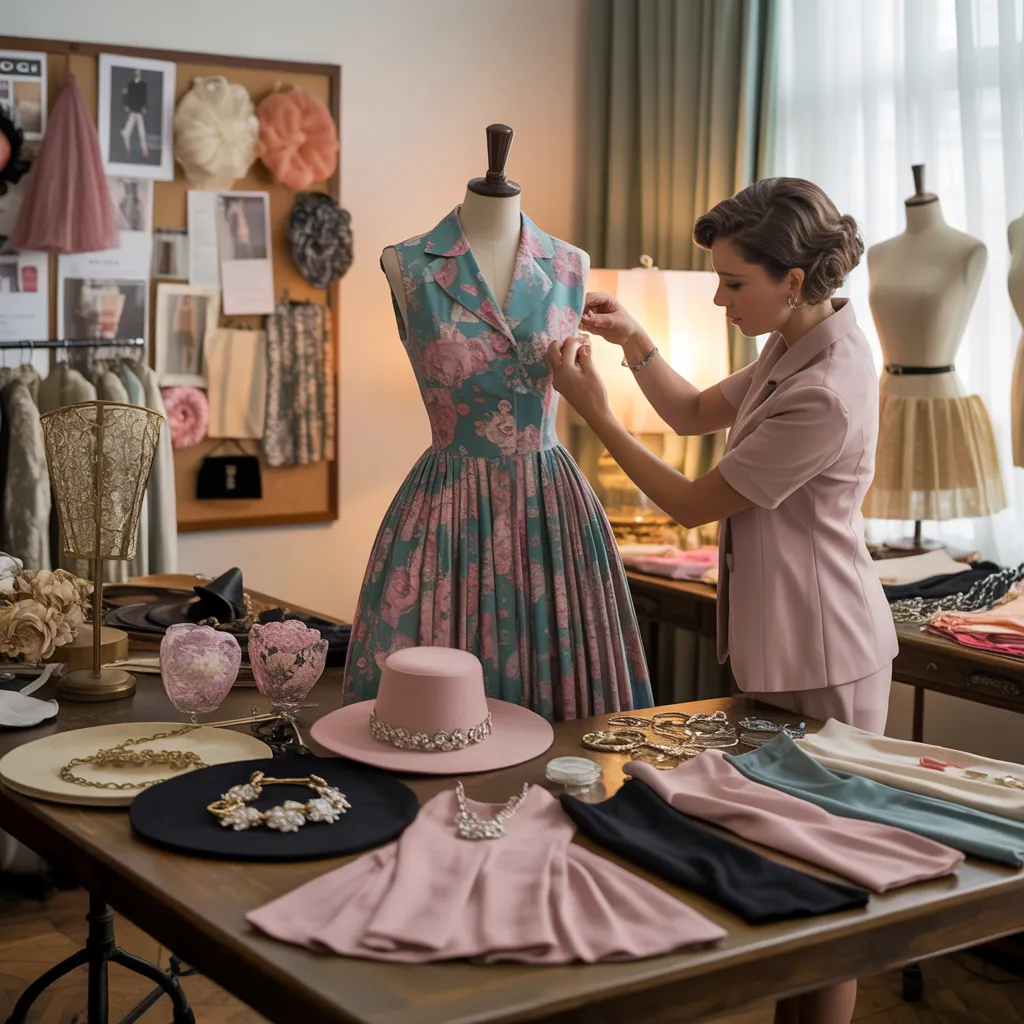
How does one navigate the often confusing world of vintage sizing and tag systems? Understanding vintage sizes is vital for anyone passionate about vintage clothing. Unlike modern sizing, which has become uniform, vintage sizes can differ significantly based on the period, brand, and even the country of origin. For instance, a size 8 from the 1970s may differ greatly from a contemporary size 8.
Labels also play an important role; they frequently show the decade and can provide insights into construction techniques and fabric choices. Familiarity with typical brand names helps identify authenticity and quality, as certain brands are recognized for their craftsmanship.
Accurately measuring clothing is vital, as relying solely on the size tag can lead to frustration. Buyers should compare their own garments against dimensions. By understanding these nuances, vintage fans can make informed choices, enhancing their shopping experience.
Evaluate Vintage Clothing Quality
Determining the worth of vintage clothing is important for making informed purchases. Critical factors to reflect on include examining fabric composition, checking for any damage, and evaluating the quality of stitching. Each of these elements plays an important role in determining the longevity and value of vintage garments.
Examine Fabric Composition
Analyzing the material composition of vintage clothing is vital for assessing its quality and lifespan. Natural materials including cotton, wool, silk, and linen generally suggest improved durability and comfort in comparison to synthetic fabrics. Vintage pieces composed of these fibers commonly maintain their structure and visual appeal over time. Additionally, understanding the fabric blend can provide insights into the garment's intended use and care requirements. As an illustration, a cotton-linen fabric blend can increase breathability, while a wool-acrylic blend might boost warmth. While assessing a garment, it is vital to verify labels or tags that disclose fabric specifics. This information allows consumers to choose wisely, making sure their vintage items are not only trendy but also long-lasting assets.
Assess for damage
Checking retro clothes for issues plays an crucial role in evaluating their complete quality. Consumers ought to meticulously check garments for signs of wear, including holes, stains, or fading. Focus should be placed on areas prone to defects, like seams, hems, and underarm parts, where the fabric can weaken over time. Furthermore, looking for missing buttons or zippers can reveal important clues about a garment's condition. Evaluating the lining along with embellishments matters because they impact both the garment's function and aesthetic. Spotting potential problems in advance helps buyers make knowledgeable choices to ensure their vintage items satisfy both style criteria and durability for regular wear.
Evaluate Stitching Caliber
Though it may be simple to overlook, the standard of stitching in vintage clothes plays a key role in determining the garment's longevity and overall attractiveness. Careful examination of the stitching reveals the craftsmanship behind the piece. Well-executed seams, close and even stitches, signify durability and attention to detail. Conversely, loose threads or uneven stitching can indicate wear or poor construction, possibly compromising the garment's integrity. Inspecting stress-prone areas, such as armholes and hems, is crucial. Additionally, vintage pieces often incorporate unique stitching techniques that reflect their era, adding character. Ultimately, evaluating stitching quality not only informs buyers about the garment’s condition but also deepens their appreciation of vintage fashion’s artistry.
Search for Antique Garments at Community Shops
Where might one uncover exceptional vintage fashion pieces? Community vintage shops frequently serve as undiscovered treasures for vintage devotees. These establishments assemble unique collections, carefully selecting items that represent multiple decades and fashion aesthetics. Browsing through the aisles, visitors can locate everything from elegant 1950s frocks to 1980s iconic jackets, each garment recounting its own narrative.
Many local boutiques champion sustainability, sourcing their products from liquidation events, secondhand retailers, and charitable sources. This not only supports eco-friendly practices but also confirms that each garment is unique. Additionally, boutique owners are commonly passionate about style evolution and can provide valuable insights, enhancing the buying process.
Supporting local retailers also nurtures community links, allowing customers to interact with shop owners and fellow vintage devotees. This personal touch often renders the shopping experience into an adventure, making each visit to a local boutique a delightful survey of fashion's past.
Leading E-commerce Vintage Boutiques
In the landscape of online shopping, vintage enthusiasts have access to a wide array of possibilities. Premier e-commerce sites and hand-picked vintage stores present one-of-a-kind picks that serve different preferences and designs. This section will explore some of the standout platforms for finding retro valuables.
Top Digital Marketplaces
The appeal of vintage clothing has led to a surge in online marketplaces focused on unique, timeless pieces. Platforms like Etsy and eBay remain favored options, providing a vast array of vintage items from various eras. Depop, with its user-friendly interface and social media integration, serves a younger demographic seeking curated styles. copyright allows users to sell their vintage finds while connecting with fashion enthusiasts. Additionally, ThredUp specializes in secondhand clothing, including vintage selections, promoting sustainability. These marketplaces not only provide access to distinctive fashion but also build a community of like-minded individuals devoted to vintage treasures. By browsing these platforms, shoppers can find rare pieces that showcase their personal style and history.
Carefully Selected Vintage Boutiques
For individuals who cherish the sophistication of professionally selected vintage retailers, the internet marketplace presents a collection of one-of-a-kind discoveries. These boutique retailers prioritize carefully selected merchandise, maintaining caliber and legitimacy. Stores including Vintage Vixen and ModCloth accommodate a array of looks, from 1920s flapper dresses to 1980s pop culture pieces. Every boutique typically displays an individual character, making it convenient for customers to find pieces that match their unique fashion sense. Furthermore, sites such as Etsy and Depop present independent merchants who compile their stock, contributing to the breadth of alternatives. By purchasing from these expertly curated boutiques, vintage devotees can locate iconic pieces that hold significance and improve their collection.
Essential Guidance for Thrifting
Honing the art of vintage shopping can transform a casual outing into a quest for valuable discoveries. To enhance the journey, consumers should at the outset clarify their personal aesthetic, focusing on distinct decades or types of clothing that resonate with them. Investigating community boutiques and online marketplaces helps identify the finest options and yet-to-be-discovered treasures.
When browsing, it is crucial to inspect items carefully for quality and authenticity. Shoppers should pay attention on fabric composition, stitching, and tags, as these can provide clues into the item's history. Negotiation can also be a important part of the process; many antique dealers are willing to consider offers.
Timing constitutes a notable influence as well. Patronizing shops during merchandise renewal days or sales can bring to light fresh selections. Finally, cultivating an receptive mindset grants for unexpected discoveries, making each shopping trip into an escapade overflowing with unique style possibilities.
Discover Advantages of Sustainable Vintage Fashion
While many shoppers pursue individual fashion, the advantages of eco-conscious vintage apparel extend far past visual beauty. This method in fashion champions ecological concern by lowering waste and minimizing the environmental impact connected to new garment production. Vintage pieces often represent top-quality making, providing long-lasting durability and life, which differs greatly from the fast fashion industry’s emphasis on disposable clothing.
Additionally, sourcing vintage contributes to a sustainable marketplace, conserving materials and minimizing the demand for new materials. Buyers who pick vintage clothing also support local businesses and thrift shops, fostering community connection and economic sustainability. Ultimately, vintage fashion encourages personal expression, allowing wearers to display personal style without following mainstream trends. By embracing sustainable vintage fashion, shoppers not only enhance their wardrobes but also participate in a movement that upholds ethics and creativity over mere consumption.
Solutions to Frequent Inquiries
How Do I Distinguish Genuine Vintage Clothing Rather than Replicas?
To recognize real vintage pieces, one should review insignia, view resource seams, and cloth condition. Real garments often exhibit signs of age, such as fading or deterioration, while imitations generally lack these distinct features and qualities.
Where Can You Find the Top Cities for Vintage Clothing Shopping?
Cities like New York, Los Angeles, and London are famous for vintage clothing shopping. Each includes unique boutiques, thrift stores, and markets, engaging devotees pursuing authentic pieces and diverse styles from different eras.
How Can I Appropriately Maintain Vintage Garments?
To properly care for antique clothing, one should gently hand wash or dry clean them, store them in a cool, dry location, prevent exposure to direct sunlight, and use acid-free tissue for protection. Regular check-ups are vital.
What factors do I examine in Vintage Accessories?
When selecting vintage accessories, one should prioritize condition, authenticity, and workmanship. Additionally, considering distinctive stylistic features and materials can enhance the overall aesthetic, ensuring the items match contemporary outfits while expressing individual taste.
What particular retro movements should you monitor this year?
This year, prominent vintage trends to track consist of 90s grunge styles, oversized silhouettes, and bold prints. In addition, green fashion movements are spurring demand in recycled vintage garments, showing a growing appreciation for unique, eco-friendly apparel.